
How Modular Bridge Solutions Support Oman’s Climate Goals in 2026
Apr 02, 2026
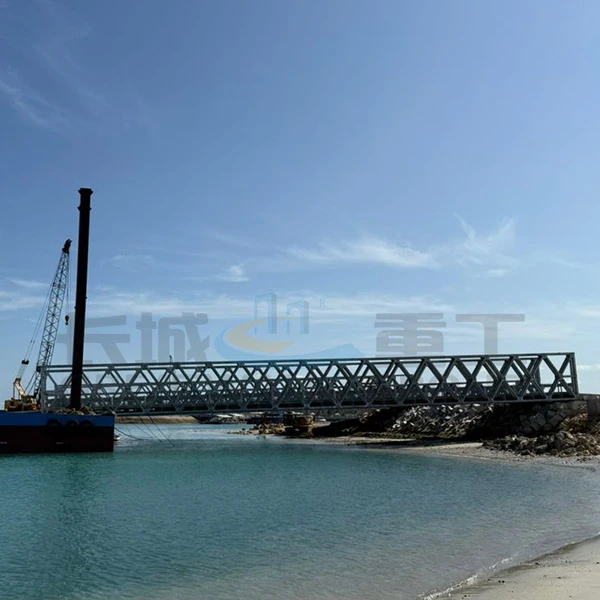
Modular bridge solutions offer Oman a strategic advantage in achieving its climate goals for 2026. Rapid deployment reduces the downtime after extreme weather events. Resilient structures withstand harsh conditions, supporting safe and reliable transportation. Sustainable design limits environmental impact, aligning with Oman's commitment to climate adaptation. Innovative infrastructure, such as Bailey Bridge systems, addresses urgent needs for flexibility and long-term durability in the face of evolving environmental challenges.
Key Takeaways
Modular bridge solutions enable rapid deployment, restoring connectivity quickly after extreme weather events.
The Bailey Bridge system offers adaptability, allowing customization to meet specific climate challenges in Oman.
Durable materials and advanced coatings ensure bridges withstand harsh conditions, reducing maintenance costs.
Sustainable design practices minimize environmental impact, aligning with Oman's climate adaptation goals.
Investing in modular infrastructure supports economic stability and prepares Oman for future climate challenges.
Modular Bridge Solutions in Oman
Prefabrication and Rapid Deployment
Prefabrication stands at the core of modern infrastructure innovation. Modular bridge solutions, such as the Bailey Bridge from Zhenjiang Great Wall Heavy Industry Technology Co., Ltd, use prefabricated steel components manufactured under strict quality controls. These components arrive on-site ready for assembly. This process reduces construction time and minimizes disruption to local communities. In Oman, where extreme weather events can damage critical routes, rapid deployment becomes essential. Prefabricated modules allow for quick installation, restoring connectivity in days rather than months.
The Bailey Bridge system exemplifies this approach. Each section is designed for efficient transport and assembly, even in remote or challenging locations. The modular design enables teams to respond swiftly to emergencies, such as flooding or landslides, which frequently impact Oman's road networks. By reducing downtime, modular bridge solutions help maintain vital supply chains and support economic stability during climate-related disruptions.
Tip: Prefabricated bridges can be reused or relocated, offering flexibility for both temporary and permanent infrastructure needs.
Adaptability for Climate Challenges
Oman faces unique climate challenges, including flash floods, high temperatures, and shifting environmental conditions. Modular bridge solutions address these risks through adaptable engineering. The Bailey Bridge system features high-strength steel and advanced surface treatments, ensuring durability in harsh climates. Hot dip galvanizing and dip coating protect against corrosion, which is critical in coastal and desert environments.
Adaptability means more than just strength. Modular bridge solutions can be customized in length, width, and load capacity to suit specific project requirements. This flexibility allows engineers to design bridges that fit the terrain and withstand local climate pressures. In regions prone to seasonal flooding, modular bridges can be quickly elevated or reinforced, reducing the risk of damage.
Oman's commitment to climate adaptation requires infrastructure that evolves with changing conditions. Modular bridge solutions provide a scalable answer, supporting both immediate recovery and long-term resilience. The Bailey Bridge's proven track record in diverse environments demonstrates why modular systems are a strategic choice for Oman's future.
Climate Risks and Infrastructure Needs
Extreme Weather and Flooding
Oman faces significant threats from extreme weather events. Severe cyclones and intense rainfall have repeatedly tested the nation's infrastructure.
In 2021, Cyclone Shaheen made landfall in Oman as a severe cyclonic storm. The heavy rainfall, excessive flooding, and high winds of the cyclone caused serious damage to infrastructure and a considerable death toll.
Flooding remains a persistent risk. Analysis shows that the maximum 24-hour rainfall amounts for a 50-year return period are projected to increase by over 30% under high-emission scenarios. This trend signals a heightened risk of future flooding, especially in vulnerable watersheds.
80% of Oman's population lives in flood-prone and low-lying areas.
Inadequate drainage and hyper-arid soils exacerbate the risk and severity of flash floods.
The impact of these events extends beyond property loss. Vulnerable groups, such as older adults, individuals with disabilities, and lower-income communities, face disproportionate risks during disasters. Recent floods have caused significant damage to roads, bridges, ports, and airports, with economic losses reaching hundreds of millions of dollars. Urban engineering has struggled to cope, highlighting the need for resilient solutions.
Coastal and Environmental Pressures
Oman's extensive coastline introduces additional challenges for bridge infrastructure. Rising sea levels and coastal erosion threaten the stability of bridges in low-lying areas. The table below summarizes key environmental pressures:
|
Environmental Pressure |
Impact on Bridge Infrastructure |
|
Rising Sea Levels |
Increased vulnerability to flooding and storm surges |
|
Coastal Erosion |
Structural integrity risks for coastal bridges |
|
Tropical Cyclones |
Potential for severe damage from extreme weather |
|
Climate Change |
Greater flooding and erosion threats |
These pressures demand adaptive infrastructure. Oman's National Strategy for Adaptation and Mitigation to Climate Change prioritizes resilient construction in sectors sensitive to climate change, including transportation. Modular bridge solutions offer rapid, cost-effective responses to these evolving risks, supporting both immediate recovery and long-term adaptation.
Technical Benefits of Modular Bridge Solutions
Durable Materials and Corrosion Resistance
Durability stands as a primary reason why modular bridge solutions are ideal for Oman's climate adaptation strategy. The Bailey Bridge, manufactured by Zhenjiang Great Wall Heavy Industry Technology Co., Ltd, uses high-strength steel that withstands heavy loads and extreme environmental conditions. This material choice ensures bridges remain operational during severe weather events, such as cyclones and flash floods.
Advanced surface treatments further enhance the bridge's resilience. Sand blasting removes impurities, preparing the steel for protective coatings. Dip coating and hot dip galvanizing create a robust barrier against corrosion. These treatments are essential in Oman's coastal and desert regions, where salt, humidity, and sand can accelerate deterioration. International certifications from SGS and BV validate the quality and performance of these bridges, confirming their suitability for demanding climates.
Note: Bridges with superior corrosion resistance require less maintenance, reducing long-term costs and ensuring reliable infrastructure for communities.
The modular design allows for easy inspection and replacement of individual components. This flexibility supports ongoing maintenance and rapid repairs, which are critical in areas exposed to frequent climate risks.
Sustainability and Reduced Carbon Footprint
Sustainability drives the adoption of modular bridge solutions in Oman. Prefabricated components minimize on-site construction activities, which lowers emissions and reduces disturbance to local ecosystems. The Bailey Bridge system's efficient assembly process limits the need for heavy machinery and extensive groundwork, preserving natural habitats and reducing soil erosion.
The table below highlights key sustainability benefits:
|
Benefit |
Impact on Oman's Climate Goals |
|
Reduced Construction Time |
Limits emissions and resource use |
|
Minimal Site Disturbance |
Protects sensitive environments |
|
Reusable Components |
Supports circular economy principles |
|
Efficient Material Use |
Decreases waste and carbon footprint |
Modular bridge solutions align with Oman's sustainability targets by promoting responsible resource management. The ability to reuse or relocate bridge sections extends the lifecycle of materials, reducing the demand for new resources. High-strength steel and advanced coatings ensure longevity, which means fewer replacements and less waste over time.
Tip: Choosing modular bridge solutions supports Oman's vision for resilient, low-impact infrastructure that adapts to changing climate conditions.
The technical advantages of modular bridge solutions-durability, corrosion resistance, and sustainability-make them a strategic asset for Oman's climate goals in 2026. These bridges deliver reliable performance while minimizing environmental disruption, supporting both immediate needs and long-term adaptation.
Modular Bridges: Projects and Future Outlook
Examples in Oman (e.g., Khor al Batah Bridge)
Oman has recognized the value of modular bridge systems in strengthening its transportation network. The Khor al Batah Bridge project stands as a prime example. This initiative used modular components to restore connectivity after severe flooding damaged the original structure. The Bailey Bridge from Zhenjiang Great Wall Heavy Industry Technology Co., Ltd played a critical role in this rapid response. Its prefabricated sections enabled engineers to assemble a durable crossing within days, minimizing disruption for local communities and businesses.
Other regions in Oman have also explored modular bridge solutions for both temporary and permanent infrastructure needs. These projects demonstrate the flexibility and reliability of modular systems in addressing urgent challenges. The ability to quickly deploy bridges after extreme weather events supports economic recovery and ensures that essential services remain accessible.
The success of these projects highlights why modular bridge solutions are essential for Oman's climate adaptation strategy.
Policy Alignment and Industry Trends
Oman's national climate policies emphasize resilient infrastructure and sustainable development. Modular bridge solutions align with these goals by reducing construction time, limiting environmental impact, and supporting rapid disaster recovery. The government's 2026 targets call for innovative approaches that can adapt to changing climate risks.
Industry trends in Oman and the broader Middle East show a clear shift toward modular and prefabricated construction methods. The table below summarizes key trends shaping the future of bridge infrastructure:
|
Trend Description |
Implication |
|
Integration of modular and prefabricated components |
Enhances construction efficiency and reduces timelines |
|
Advancements in smart bridge technologies |
Improves monitoring and maintenance capabilities |
|
Focus on sustainability and eco-friendly materials |
Aligns with regional environmental commitments |
|
Growing public-private partnerships |
Facilitates funding and resource sharing |
|
Demand for heavy-load bridges due to trade expansion |
Necessitates enhanced cross-border connectivity |
These trends reinforce the importance of adopting modular bridge solutions. Oman's commitment to climate resilience and sustainable growth will continue to drive investment in innovative infrastructure, ensuring the nation remains prepared for future challenges.
Modular bridge solutions deliver rapid deployment, resilience, and sustainability for Oman's climate adaptation strategy. The Bailey Bridge from Zhenjiang Great Wall Heavy Industry Technology Co., Ltd stands as a proven model, offering high-quality materials and efficient assembly. These bridges reduce environmental impact and support economic stability.
Continued investment in innovative, modular infrastructure will help Oman meet its 2026 climate goals and prepare for future challenges. Choosing adaptable solutions ensures long-term resilience for communities across the nation.
FAQ
What is a modular bridge inspection report?
A modular bridge inspection report provides a detailed assessment of the bridge's condition. It includes structural integrity, material performance, and safety compliance. Certified engineers conduct these inspections. Reports help ensure the bridge meets international standards and remains safe for public use.
How long does it take to install a Bailey Bridge?
Installation time depends on site conditions and bridge length. Most Bailey Bridges can be assembled and installed within a few days. Prefabricated components and modular design allow for rapid deployment, making them ideal for emergency situations or urgent infrastructure needs.
Are Bailey Bridges suitable for Oman's coastal environments?
Yes. Bailey Bridges from Zhenjiang Great Wall Heavy Industry Technology Co., Ltd feature advanced corrosion-resistant coatings. These treatments protect the steel from salt, humidity, and sand. The bridges maintain durability and performance in Oman's coastal and desert regions.
Can modular bridges be relocated or reused?
Absolutely. Modular bridges are designed for flexibility. Teams can disassemble, transport, and reassemble the bridge at new locations. This adaptability supports both temporary and permanent infrastructure needs, maximizing resource efficiency and reducing environmental impact.
What certifications do Bailey Bridges hold?
Bailey Bridges from Zhenjiang Great Wall Heavy Industry Technology Co., Ltd are certified by international institutes such as SGS and BV. These certifications confirm compliance with strict quality and safety standards, ensuring reliable performance in demanding environments.